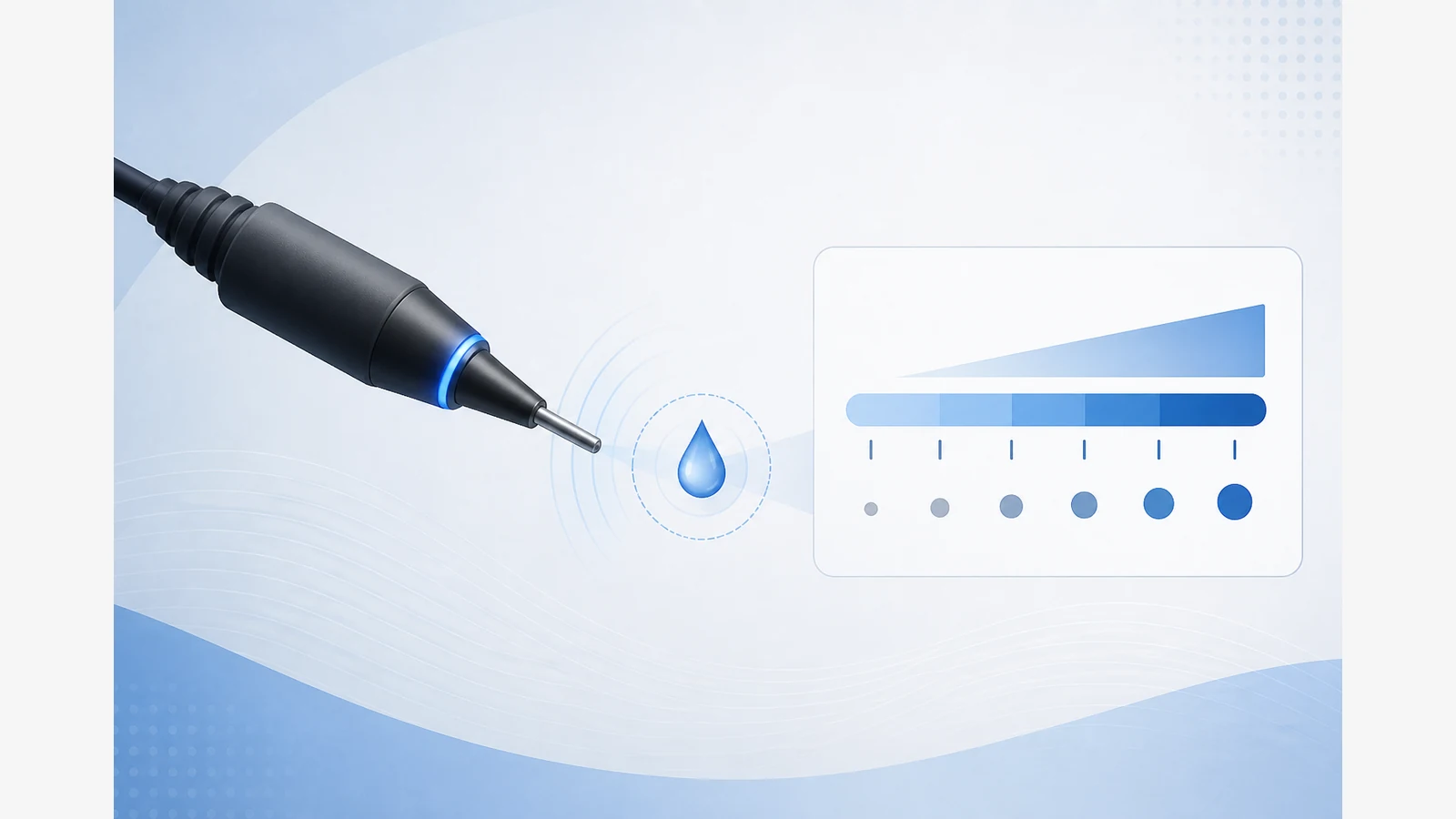
EN 14624 sensitivity explained for UK buyers
EN 14624 is the performance and test language buyers should use when comparing portable locating refrigerant leak detectors — not a sticker that magically proves every product-page g/year claim. Trade explainers commonly cite a 5 g/a (grams per year) benchmark as a minimum performance reference under EN 14624:2020 for electronic detectors in HVAC/R service contexts.
What the standard is (and is not)
BSI publishes BS EN 14624:2020 as the UK-listed standard covering performance of portable locating leak detectors and fixed gas detectors for all refrigerants — see the BSI product entry for BS EN 14624:2020. That listing tells you the document exists; it does not mean every mid-price sniffer on a UK shop page is certified to it.
INFICON’s industry explainer states that EN 14624:2020 sets a 5 g/year minimum sensitivity performance expectation for electronic refrigerant leak detectors used in HVAC/R service contexts — read INFICON on understanding EN 14624. Use that as buyer vocabulary, not as a certificate for any specific brand unless the seller publishes one.
Static vs dynamic limits — why marketing g/year figures confuse
Static detection limits (tip held at a known leak) and dynamic limits (tip moving past a leak) are different test conditions. A product page that simply prints “≤3 g/year” without stating the test mode, gas, and lab pathway is asking you to trust marketing shorthand. Compare claims sceptically: ask for the test reference, whether the figure is static or dynamic, and whether the seller claims EN 14624 certification or merely “meets a sensitivity class”.
UK retailers describe professional heated-diode detectors with selectable sensitivity and display or bar-graph feedback for R32 / A2L service — for example the AC-One Fieldpiece DR58 listing. Treat those listings as market context for feature sets, not as proof of any competitor’s lab result.
Sensor ageing still beats a single brochure number
Heated-diode tips wear with active detection hours. A sharp g/year claim on day one does not survive a clogged filter, a contaminated tip, or a sensor past its useful life. Build periodic functional checks into van routine: known test leak or controlled joint, same scan speed, same sensitivity step.
Who should not buy on sensitivity alone
- A3 / hazardous-area work that needs explosion-protected equipment — see ATEX versus A2L portable sniffer.
- Plant rooms that need fixed monitors, not handhelds — see portable sniffer versus fixed monitor.
- Buyers who already prefer infrared architectures for their workflow and tip-life economics.
When you are comparing a mid-price heated-diode tool with display feedback for UK field work, read the published specifications on the Aprvtio advanced leak detector page and ask the seller which claims are marketing figures versus accredited reports.